
From Selling Stems to Saving Bees-

The front yard pivot I never planned—but now absolutely love.
There’s something about dreaming up a garden that feels a little like planning magic.
When I first started growing flowers for Bell’s Blooms, I had this vision of my front yard bursting with color—rows of cheerful stems swaying in the breeze, ready to be cut and turned into bouquets for others to enjoy.
The front yard is also the only place that gets four to six hours of full sun a day. Most of the blooms I grow need this much sun to flourish.
So in March, my dear hippie farmer friend Taylor came and put in a second no dig garden in my front yard. This new garden included five 30 foot beds. Oh the flowers I would grow!
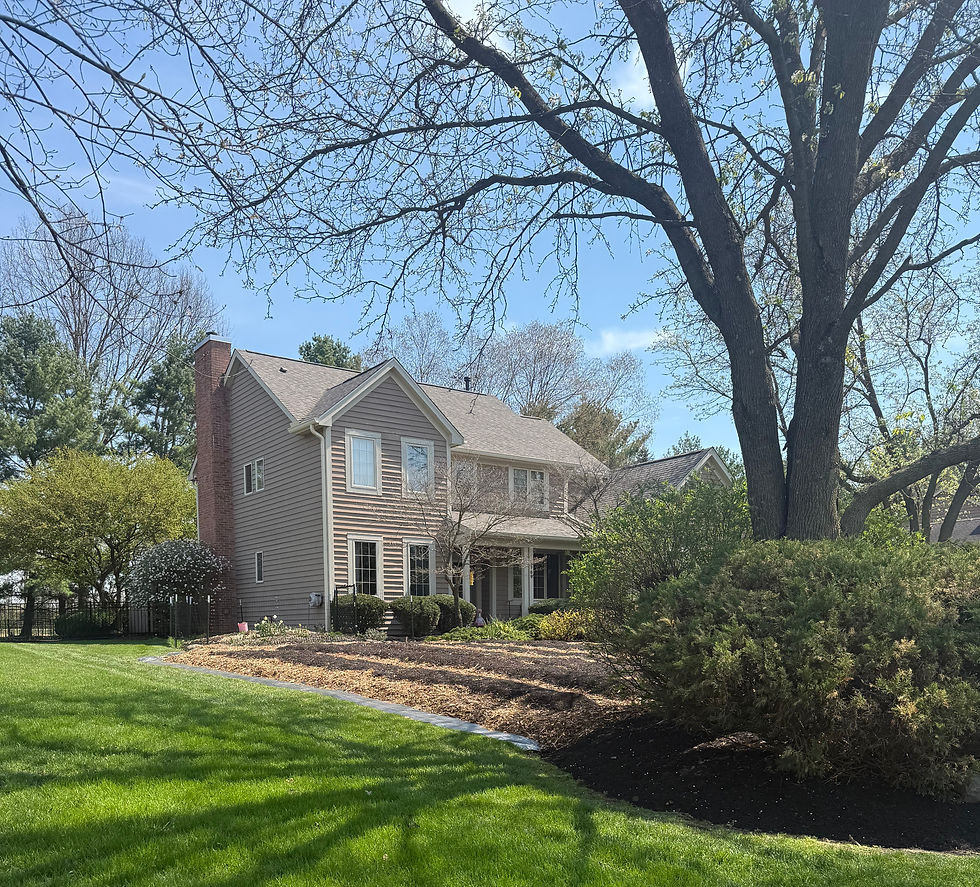

But then came the reality check:
My HOA had other plans.
And just like that, my idea of a front yard flower farm… was a no.
Apparently farming (of any kind) is prohibited in my neighborhood.
The Pause That Turned Into Possibility
At first, I’ll be honest—I was frustrated.
If you’re someone who loves to grow, create, and build something meaningful, being told “you can’t” doesn’t exactly feel great. But after sitting with it for a bit, I started asking a different question:
What can I do with this space?
That shift changed everything. I would not return this garden into a lawn per HOA request.
Instead of trying to work around the restriction, I started exploring how I could work with it—and even create something more beautiful, more intentional, and more aligned with nature.
Discovering the Idea of a Native Pollinator Garden
That’s when I landed on the idea of a native pollinator garden.
If you’re not familiar, a pollinator garden is designed to support bees, butterflies, and other beneficial insects by planting flowers they rely on for food and habitat. And when you use native plants—the ones naturally adapted to Ohio—you’re creating something that thrives with less effort and gives back to the environment in a meaningful way.
And I would have it certified through the National Wildlife Federation- who can say no to that?
Suddenly, this wasn’t just about what I couldn’t grow.
It became about what I could create:
A space full of life and movement
A garden that changes with the seasons
A front yard that feels both beautiful and purposeful
An added bonus to our community- a certified native pollinator garden

Follow Along
This is just the beginning. In the coming weeks, I’ll be sharing:
My exact garden layout and design
The native plants I’m choosing for Ohio
Tips for creating your own pollinator-friendly (and HOA-approved!) space
Which native plants double as great cut flowers
If you’ve ever felt limited by your space—or by rules you didn’t expect—this is your reminder:
Sometimes the best gardens grow from the plans that didn’t work out.
💌 Want to see it all come to life?
Follow along on Instagram for updates, behind-the-scenes planting, and blooms as they arrive.


Comments